The Art of Rediscovery
[Southern Thailand | Part 1: Songkhla Edition, 2026]
What is The Art of Rediscovery?
The Japanese have a phrase—芸道 (geidō)—that translates poorly to English as "art path" but really means the accumulated depth that comes from sustained practice of something worthwhile as a way of life.
Calligraphy, archery, tea ceremony, garden-making: the medium matters less than the orientation. You engage with full attention, you accept imperfection, you refine through repetition, you find satisfaction in incremental progress rather than completion.
This approach—practice as path, not performance—is what The Art of Rediscovery brings to travel. Instead of collecting destinations, we suggest practicing places: spending days creatively engaging them, walking their contours, learning their stories from someone who can explain why certain things persist and others disappeared.
What stays constant is the orientation: renewal through attentive direct engagement.
The people who join us tend to have accomplished enough that they're no longer trying to prove anything—instead, they're exploring what brings genuine delight.
If you've reached the point where "seeing everything" sounds exhausting but "understanding something" sounds appealing, The Art of Rediscovery might be for you.
We're building a network of locations—exploring and expanding the daily art and practice of rediscovery, and you’re invited. Day 1 of life’s second half starts whenever you decide.
Why Songkhla?
A Historic Port, Preserved.
Why Songkhla?
Songkhla is a historic trading port with intact Sino-Portuguese architecture, functional fishing communities, and documented ecological significance—not overcrowded with tourists, yet—as of 2026.
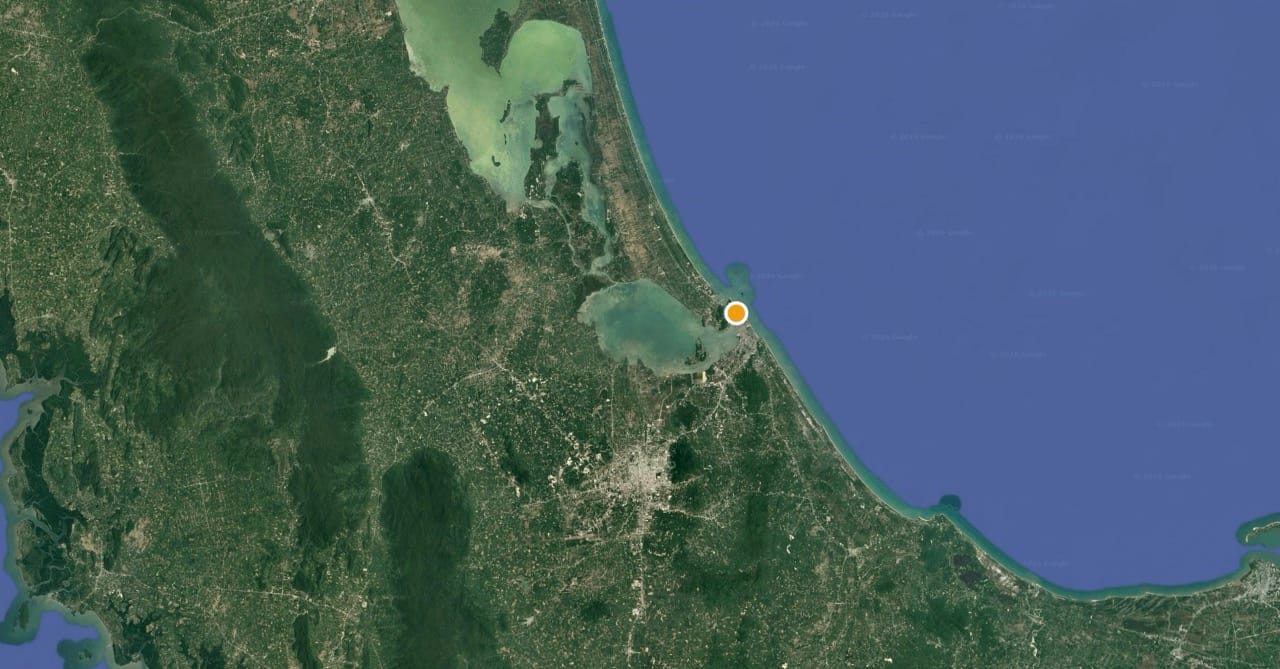
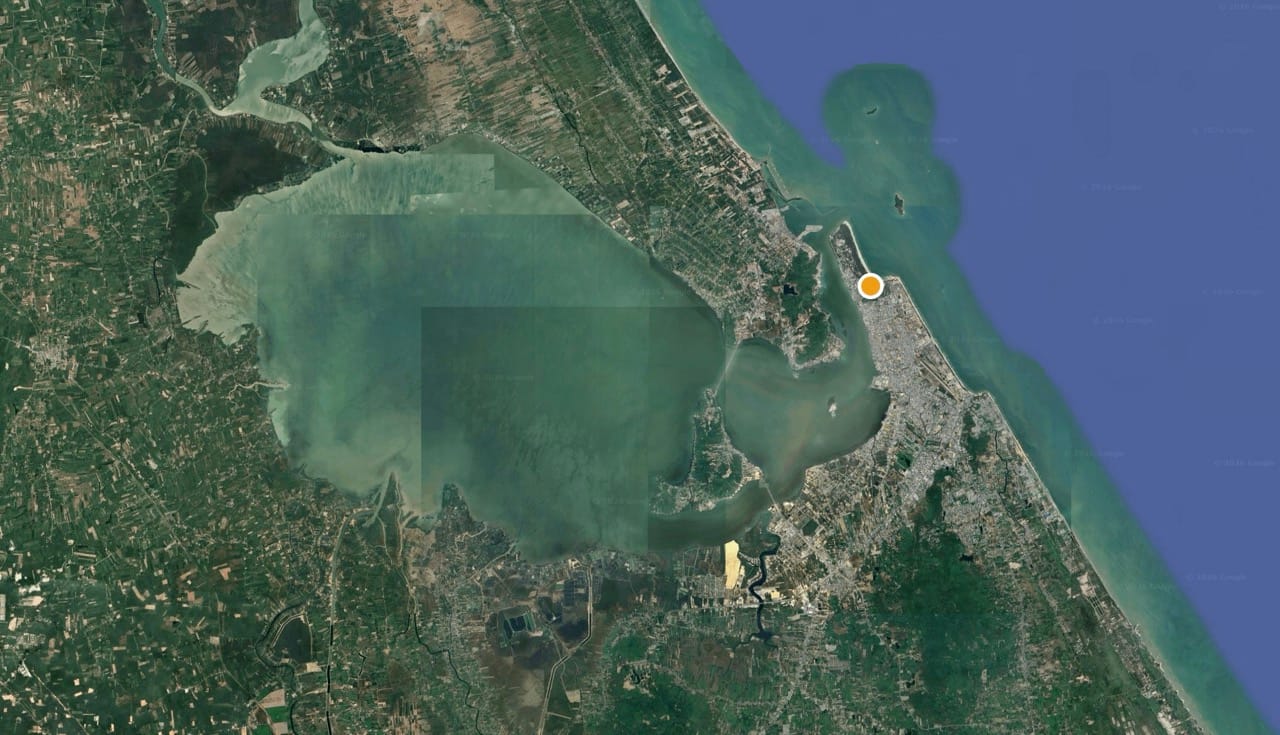
Songkhla is the Province with Thailand's longest concrete bridge, biggest natural lake, and its land "between two seas".
- Songkhla occupies a 75-kilometer peninsula that separates Thailand's largest lake from the Gulf of Thailand—a sliver of land between freshwater and saltwater that locals call "the land between two seas."
This geography made it strategically valuable for centuries: Chinese merchants built trading empires here during the tin boom, leaving behind pastel shophouses that still line the old town.
When the railway bypassed Songkhla for Hat Yai in the 1920s, economic momentum shifted inland, and the city was left with something rare: heritage without the tourism infrastructure that usually destroys it.
The architecture hasn't been sanitized into theme park versions of itself.
The fishing communities still function as working economies, not cultural performances.
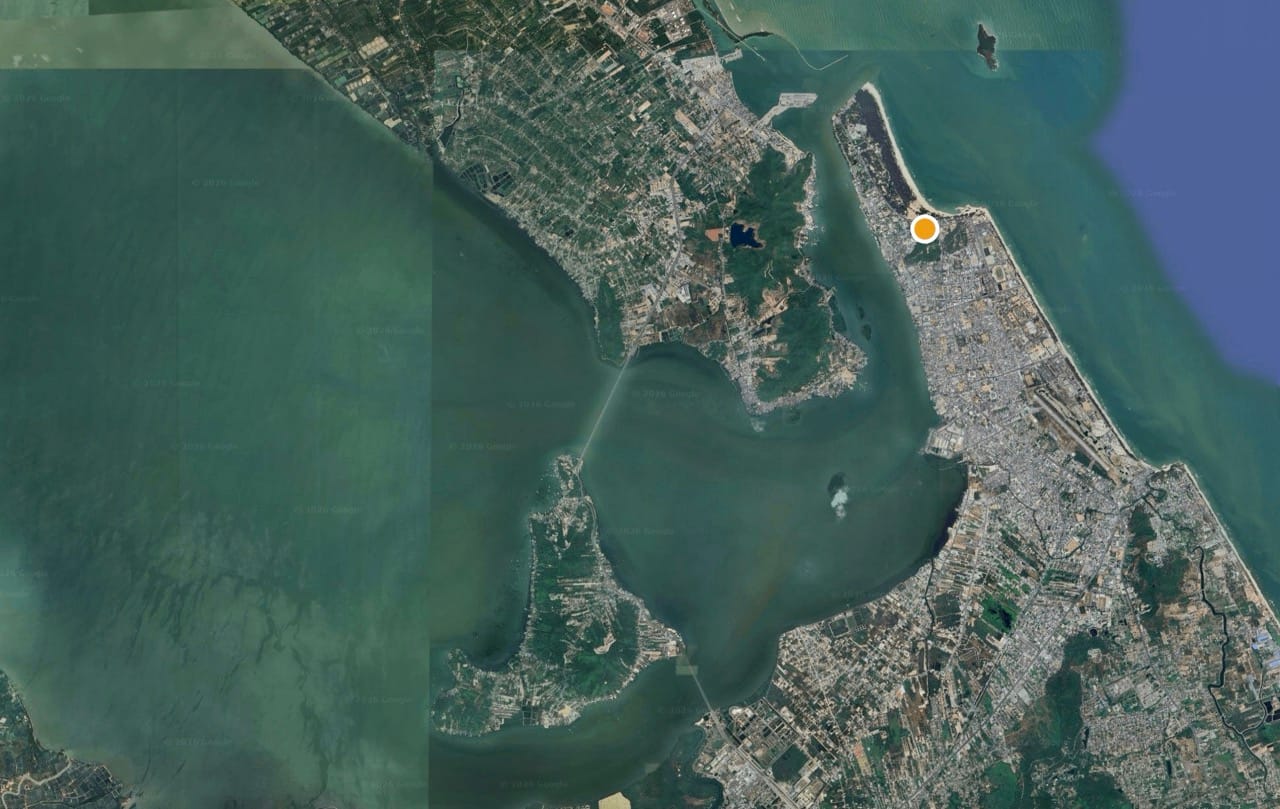
- The lake system is a Ramsar-designated wetland of international importance—critical habitat for migratory birds traveling between Siberia and Southeast Asia—and the peninsula's dual coastlines create distinct ecosystems— within walking distance of each other.
It's close enough to Malaysia that cultural boundaries blur—Thai Buddhist, Chinese Taoist, and Malay Muslim communities have negotiated coexistence for generations on this narrow strip of land.
Songkhla offers what mass-tourism destinations traded away: the possibility of actual encounter rather than curated spectacle.
This isn't a place frozen in time; it's a place where time moves at a different pace, and that difference—rooted in a geography that simultaneously connects and isolates—is exactly why Songkhla is worth your attention.
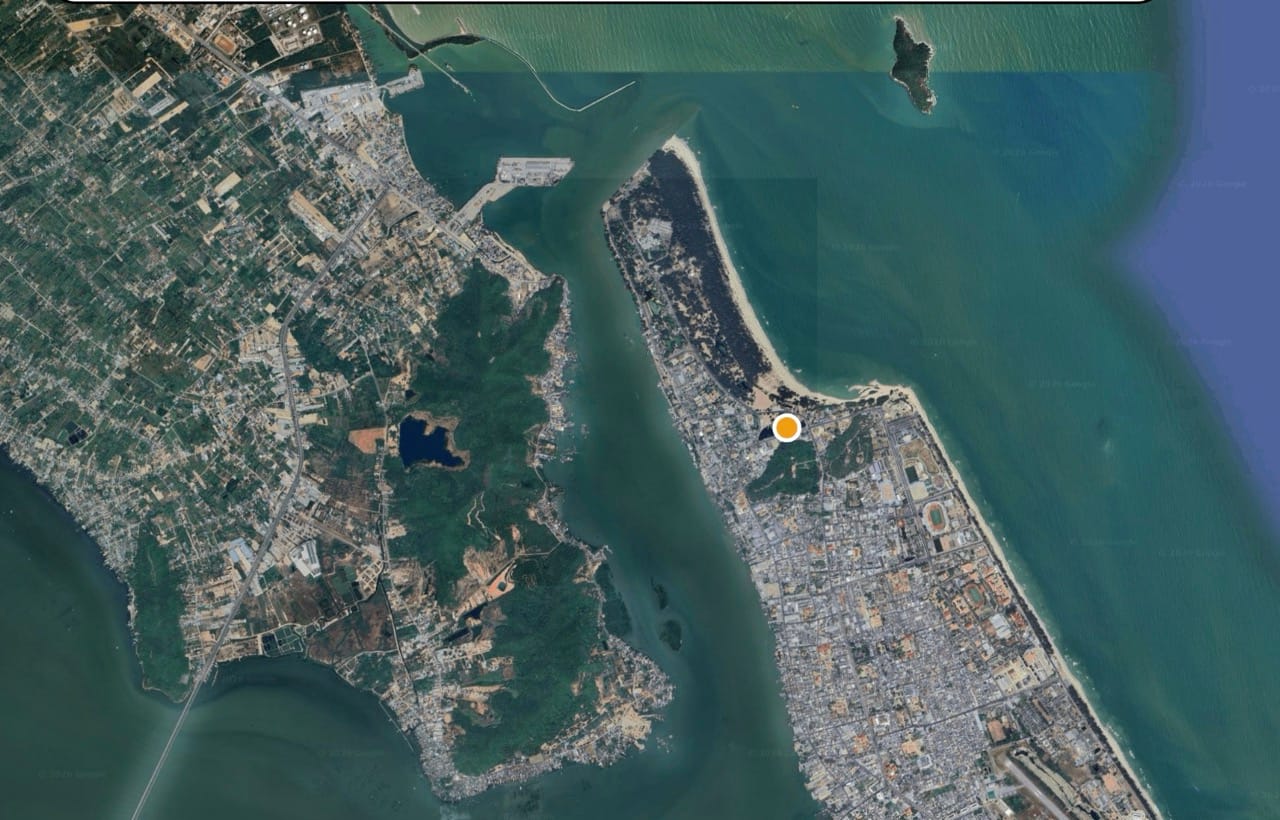
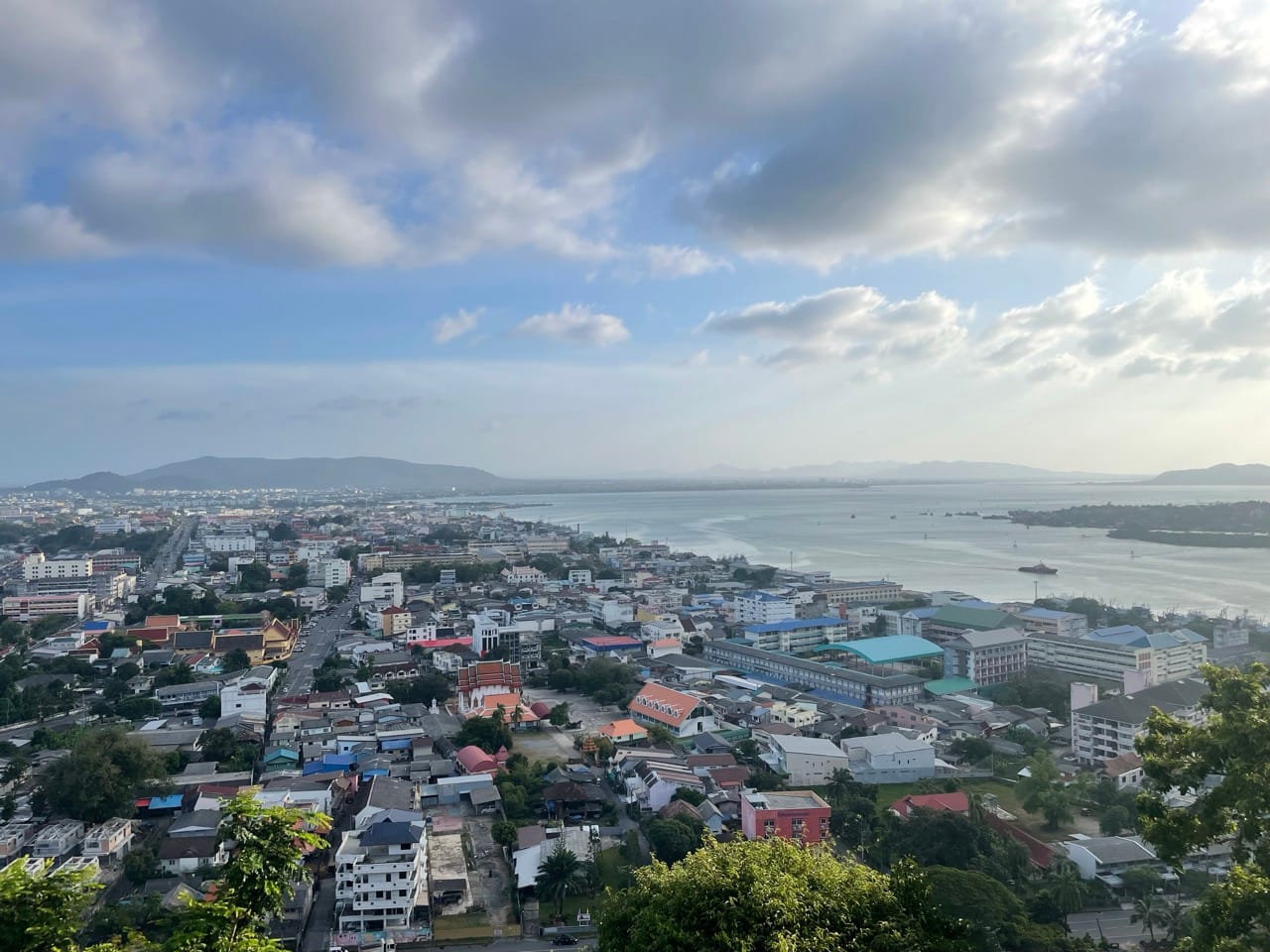
satellite-view of Songkhla town, established between its lake and gulf—merely 2km apart.
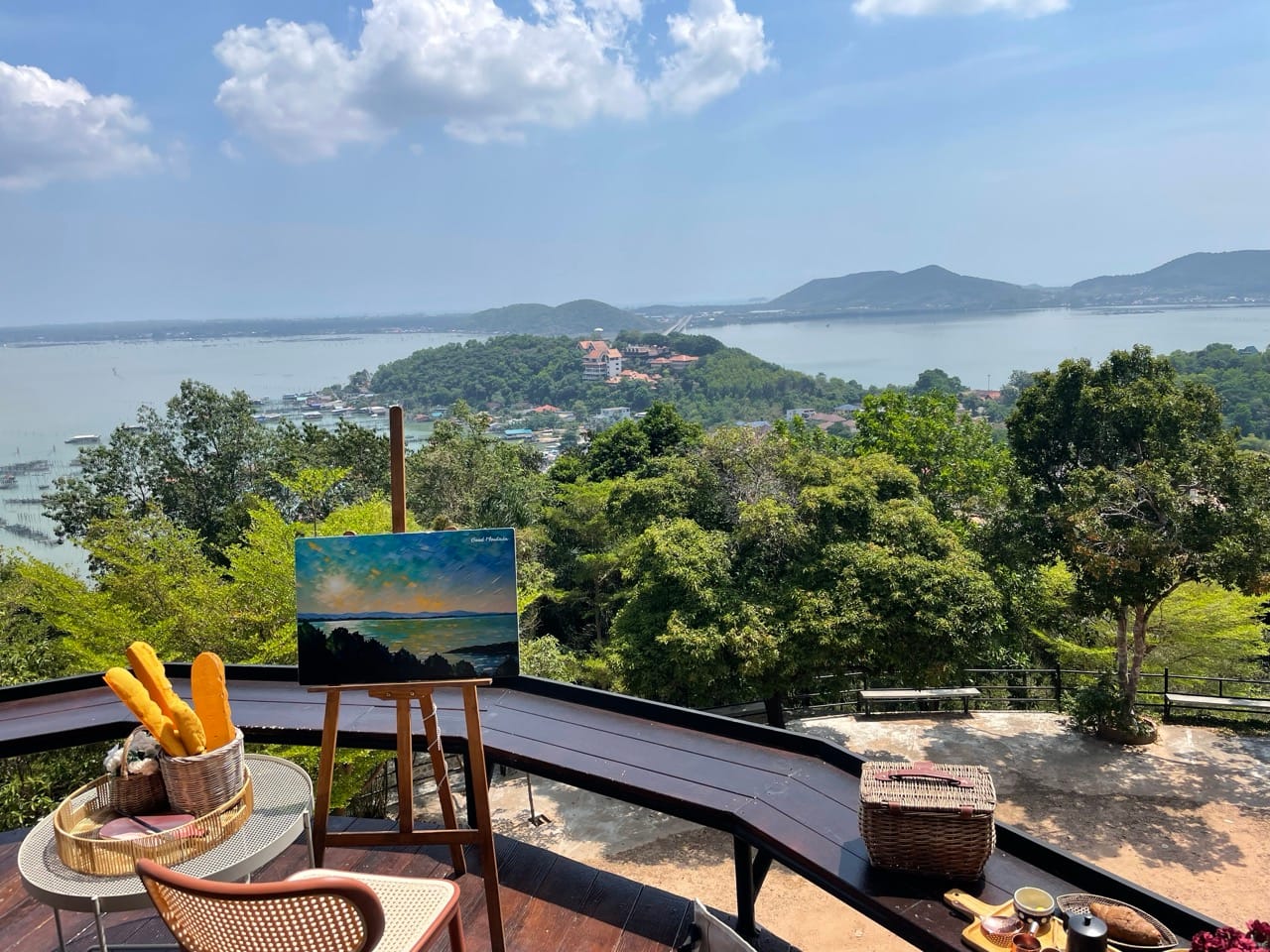
an afternoon in Songkhla
What You Will Experience
An Investment in Yourself.
What You Will Experience
Each day follows a rhythm designed for immersive enjoyment and enrichment—mornings active while energy is fresh, afternoons responsive because both tropical heat and sustained attention demand recovery, with creative engagement woven throughout because this brings genuine renewal.
You're investing in your creative and cognitive capabilities to engage with life in a different location—cultivating your appreciation and attention—developing bridges that connect life around you with your understanding, even as the world today becomes more interconnected.
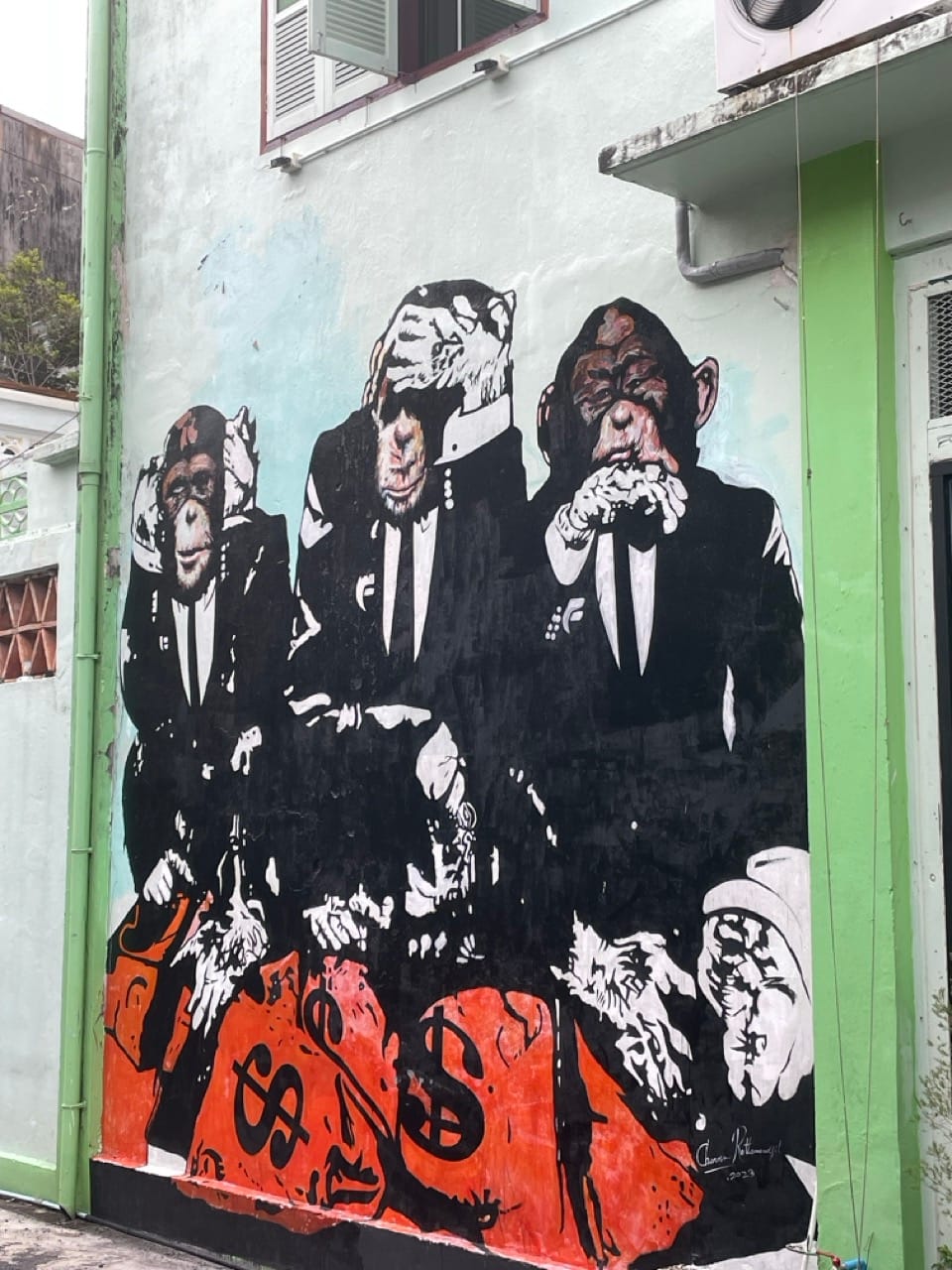
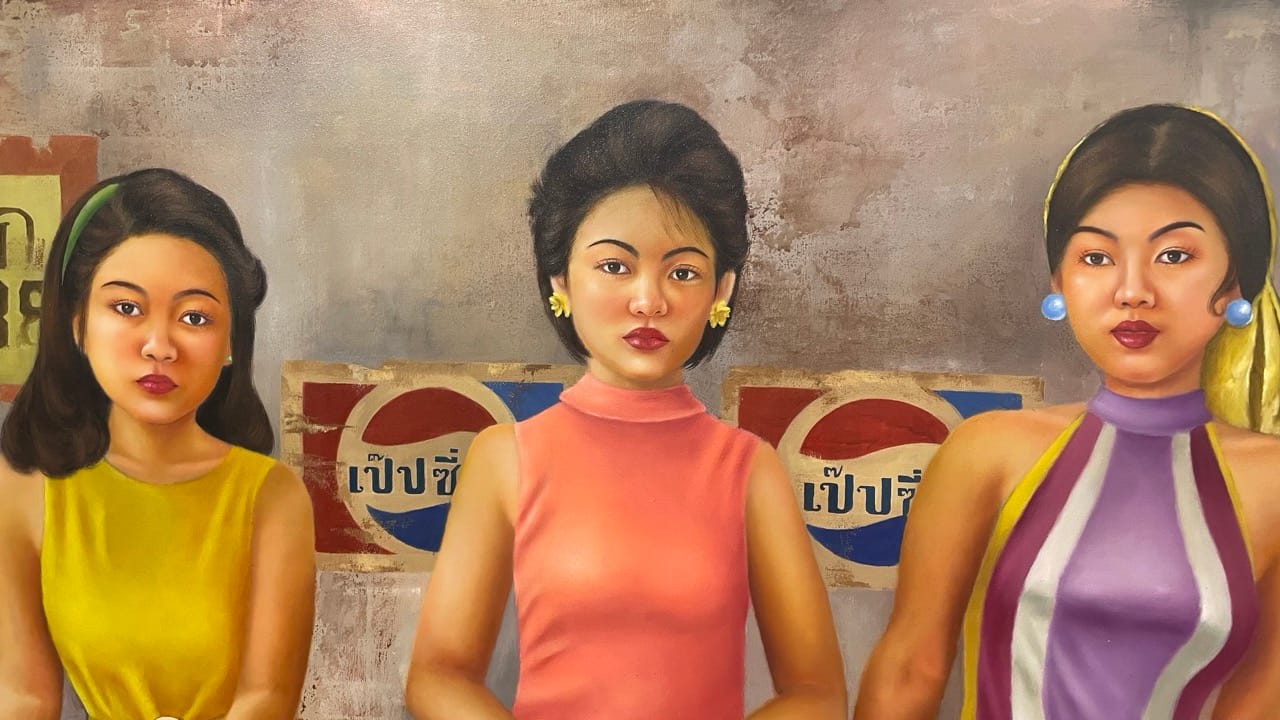
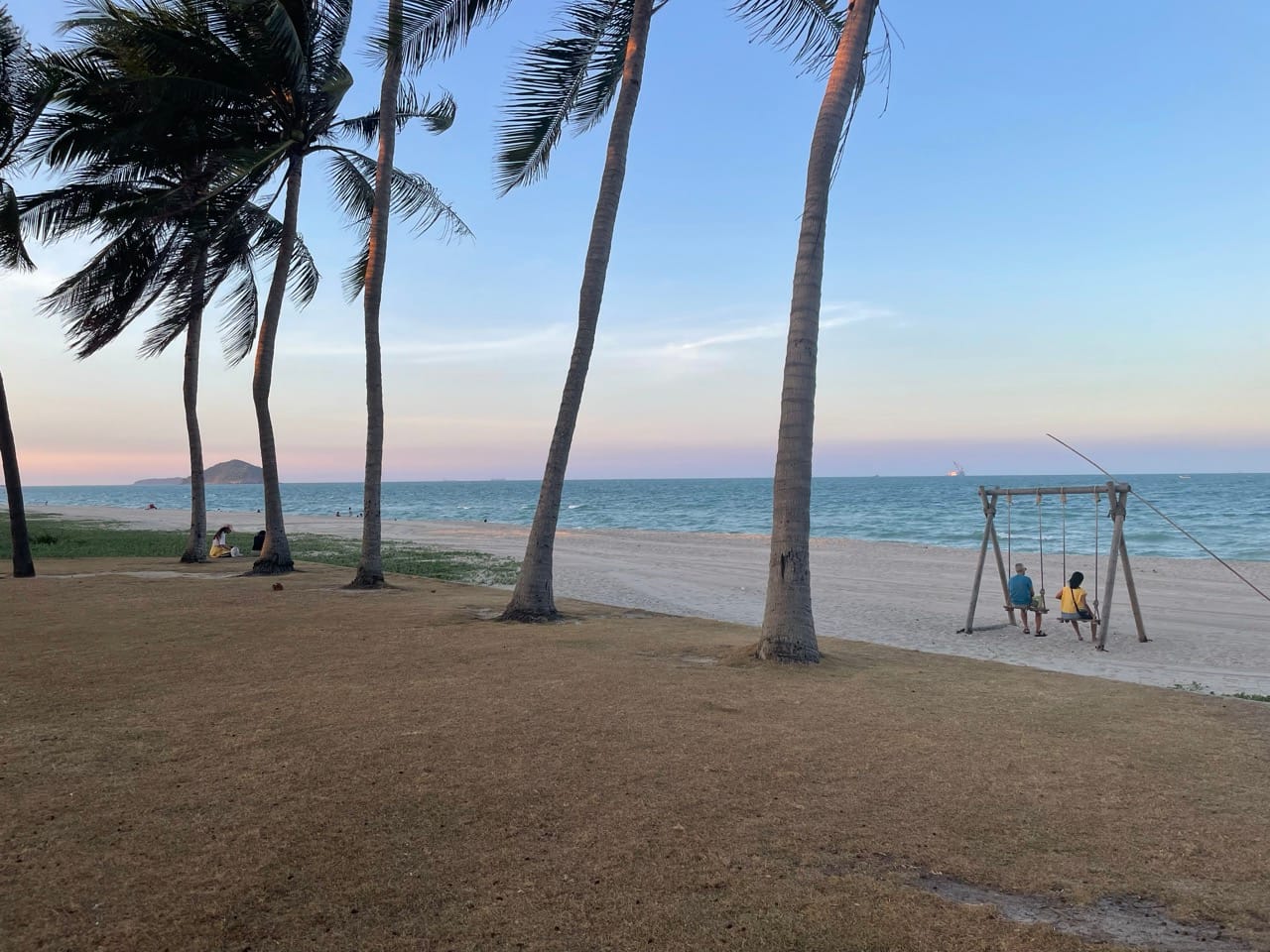
art and reality
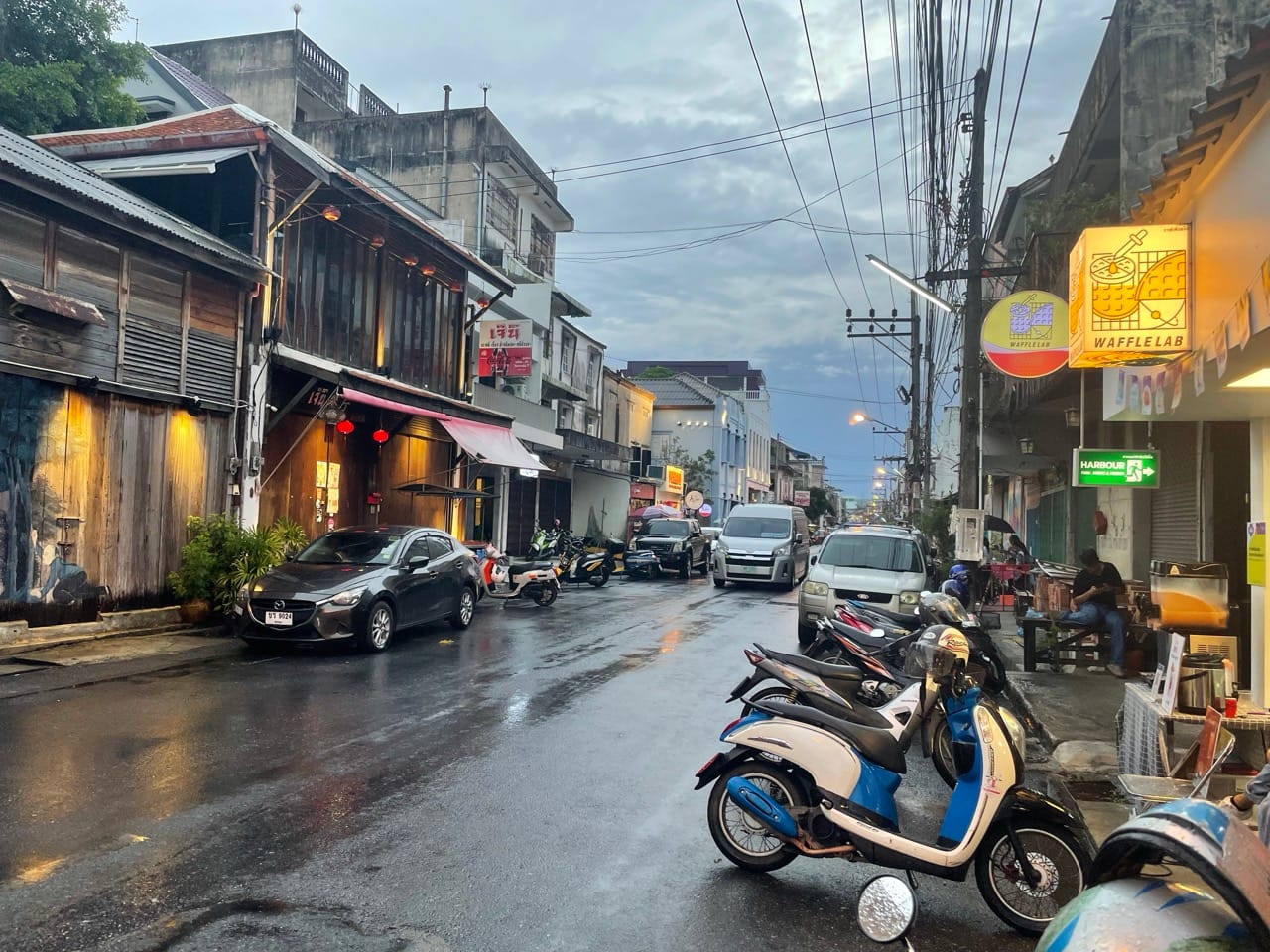
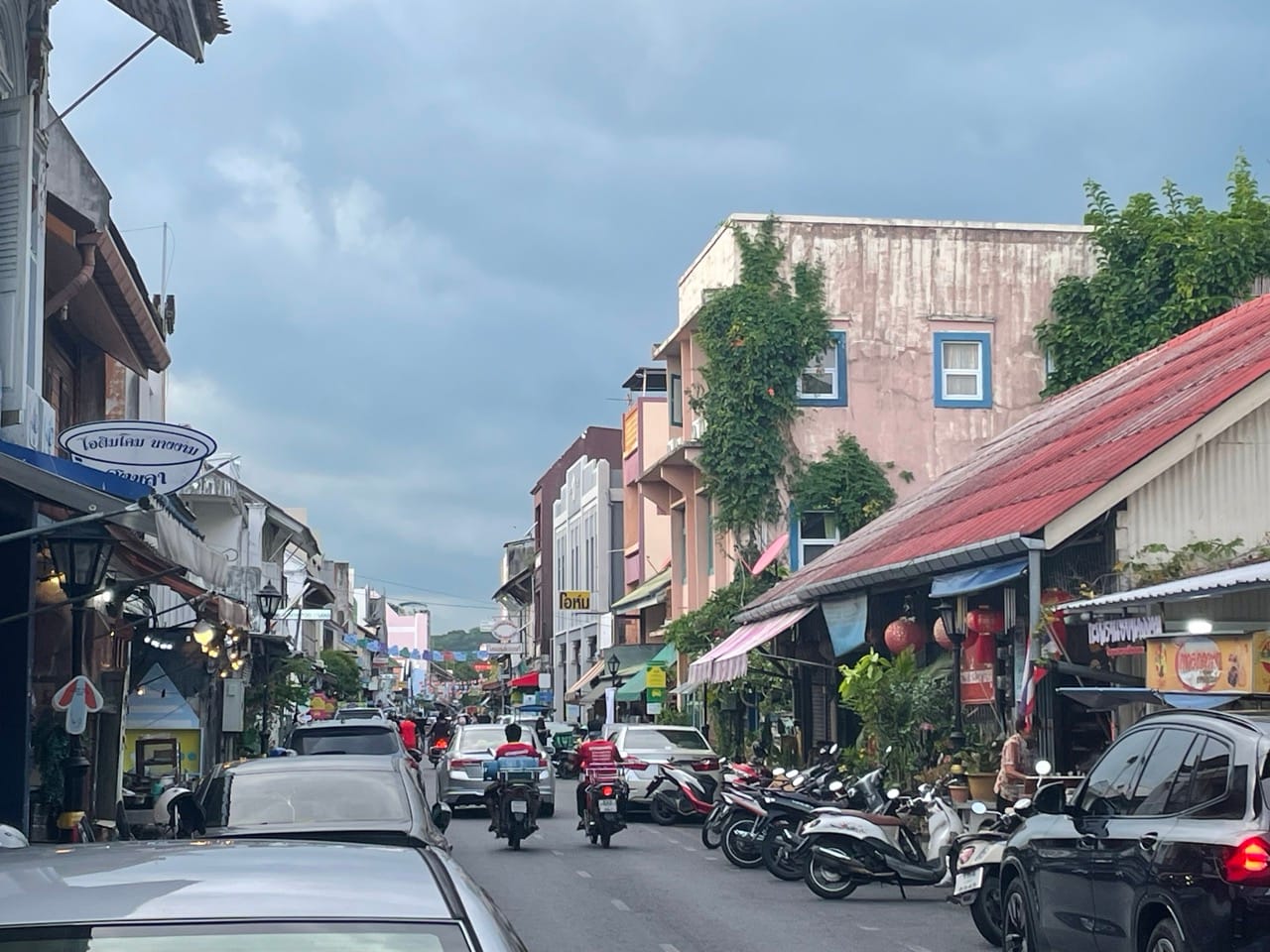
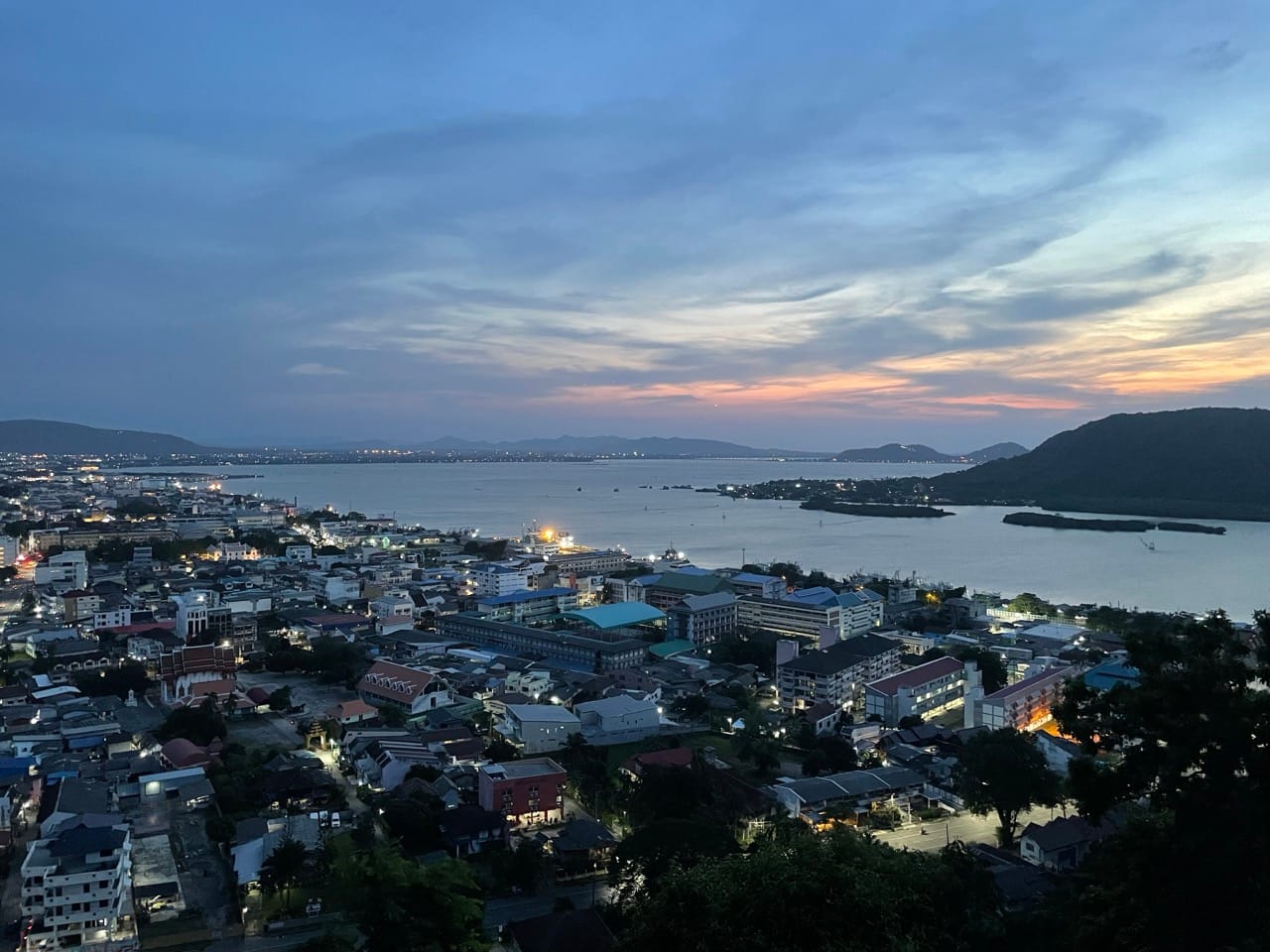
Songkhla ("old") town is one of the many historic Chinese old towns in Southern Thailand
You'll learn to view architecture as historical references, understand how geography shapes culture, and recognize what markets reveal about economics and social structure.
The full experience builds practical enrichment that transfers beyond Songkhla.
- This pattern recognition will change how you observe anywhere you go in your life, and in your future.
- This becomes a useful futureproof skill in knowing what's worth noticing and why—assessment accuracy that develops through practice, not automation.
Your current life stage gives you both the freedom to practice, and the life experience to appreciate what you're learning.
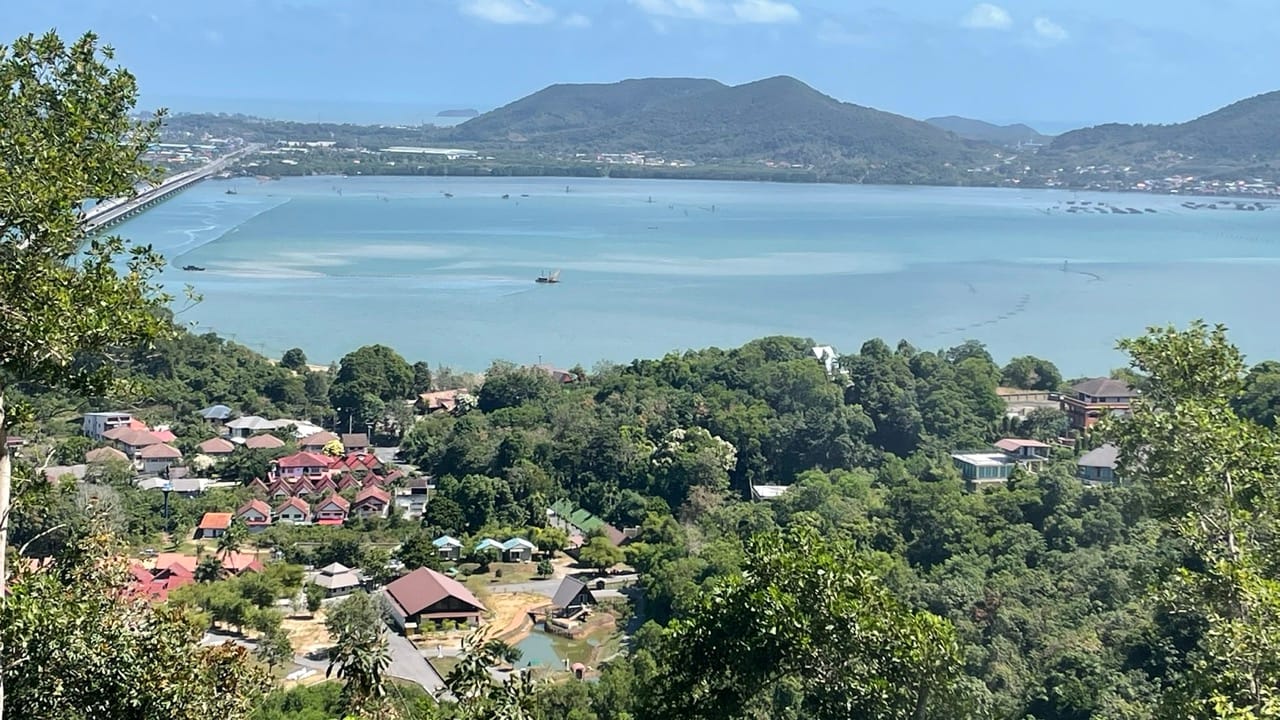
You will experience direct and deeper local immersion across the days, with different views to the town, the natural ecological and geographical landscapes of the lake-sea interface, and even the in-between island which Thailand's longest concrete bridges were built to cross.
Your watercolors grow more confident through repetition under expert guidance, building capability machines can't shortcut. You enter flow state in unexpected places—that mental state where time disappears and engagement feels effortless.
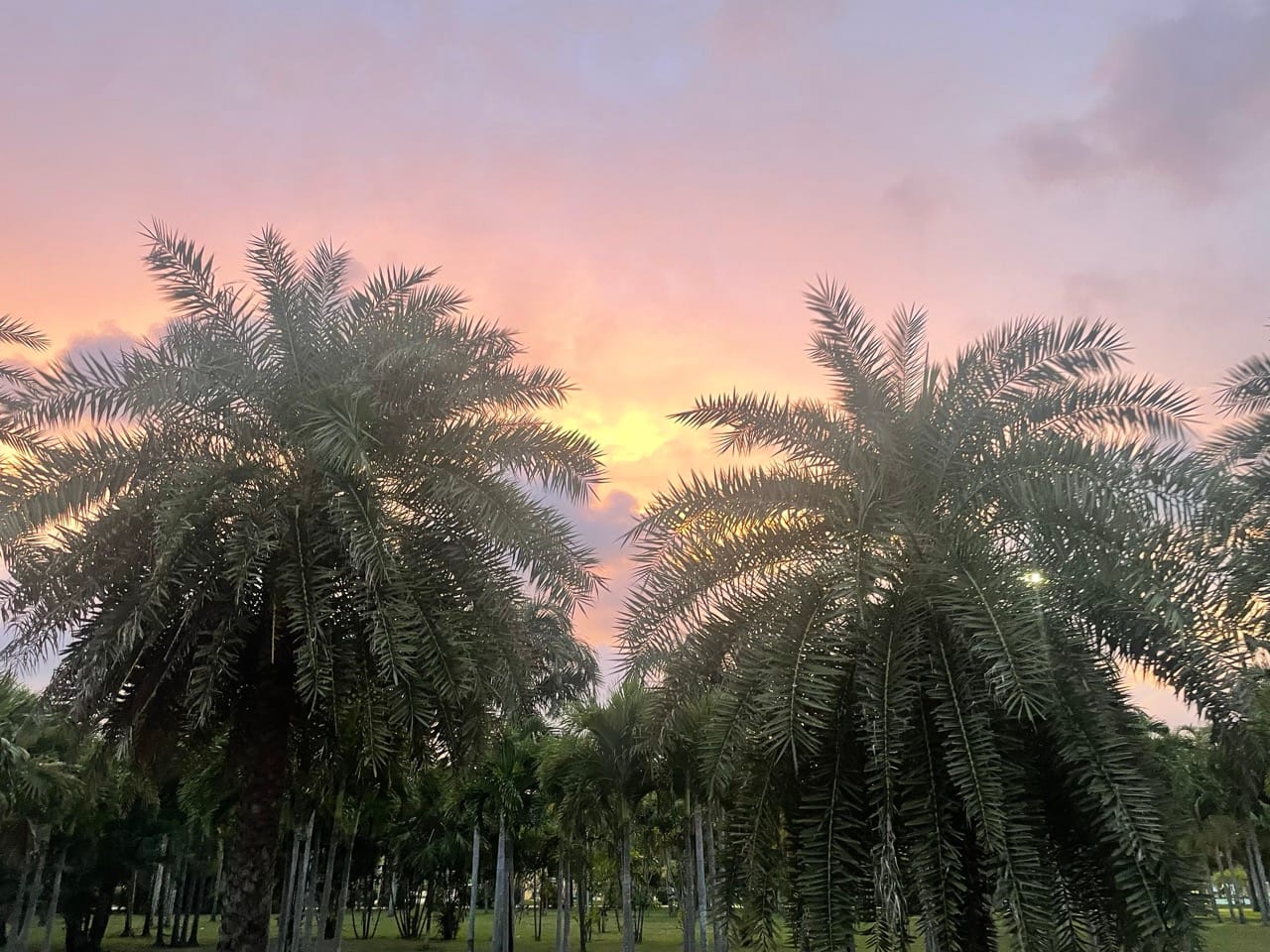
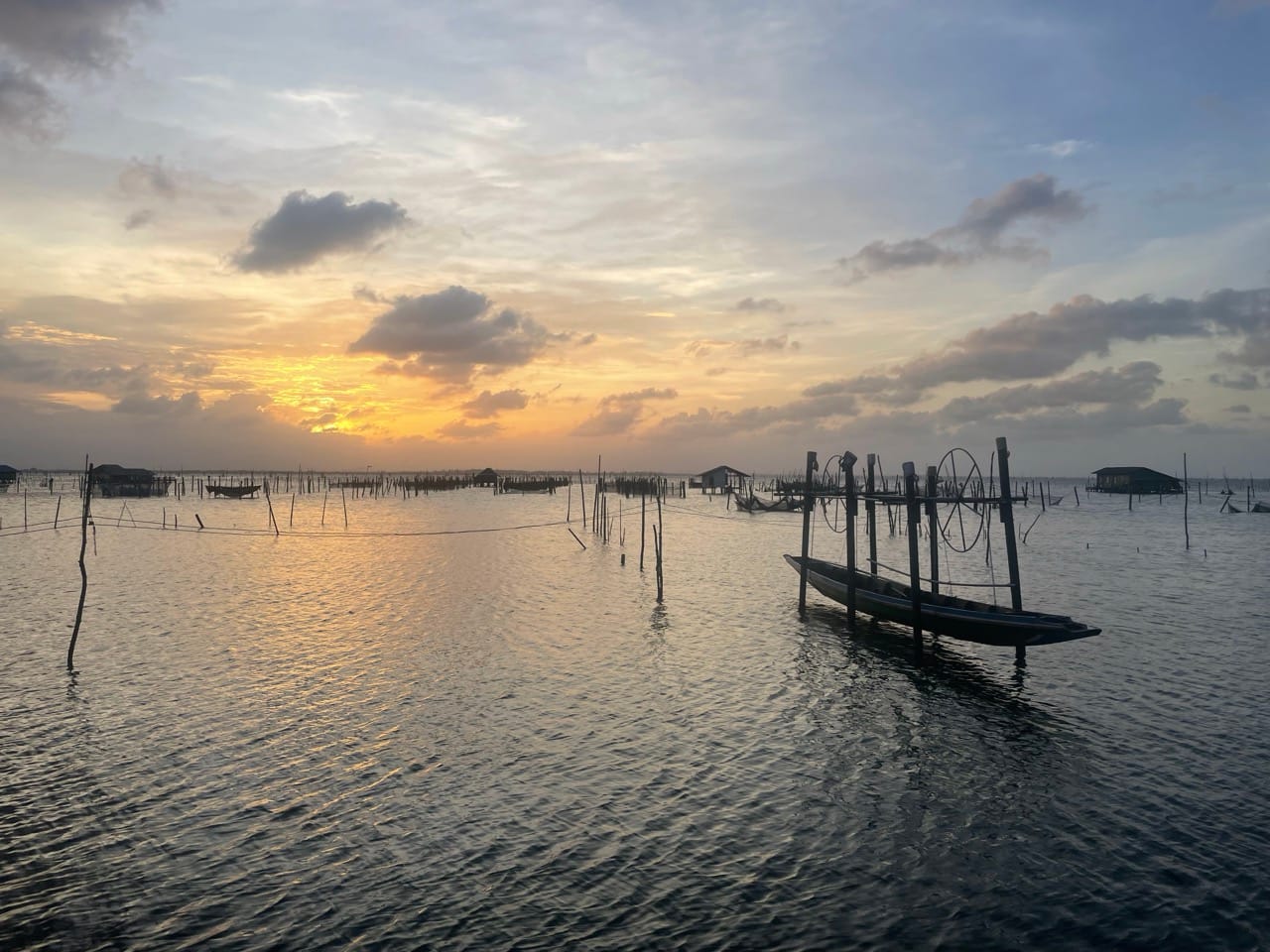
it's where you remember what genuine absorption feels like after decades of obligation-driven distraction.
You will encounter culture that may feel familiar yet also different, and developing the skill to understand nuances within context—a capability that is essential for building connections in multicultural environments.
The immediate context is Songkhla; yet this skill works anywhere—having the cultural literacy and capacity to navigate successfully—even in environments you weren't raised in, whereby this capability becomes more valuable as more people live, work, or invest across borders in coming decades.
Where You Will Stay
Between the Land and the Sea.
Your accommodation is part of the experience, with a modern boutique property that sits directly on the Gulf of Thailand's eastern shore, which means sunrise arrives over water each morning. The aesthetic is contemporary with uncluttered spaces. The environment supports creative practice and rest without being distracting as a resort.
Limited to thirty-nine rooms across six floors, the hotel is selected by deliberate choice, and does not cater to crowds. With an outdoor lounge pool that looks out to the sea—it perfect for relaxing and recharging during integrative moments, or before evening activities. The hotel's adjacent cafe also overlooks the sea, and serves as optional morning gathering point or solo refuge with amazing coffee and other drinks.
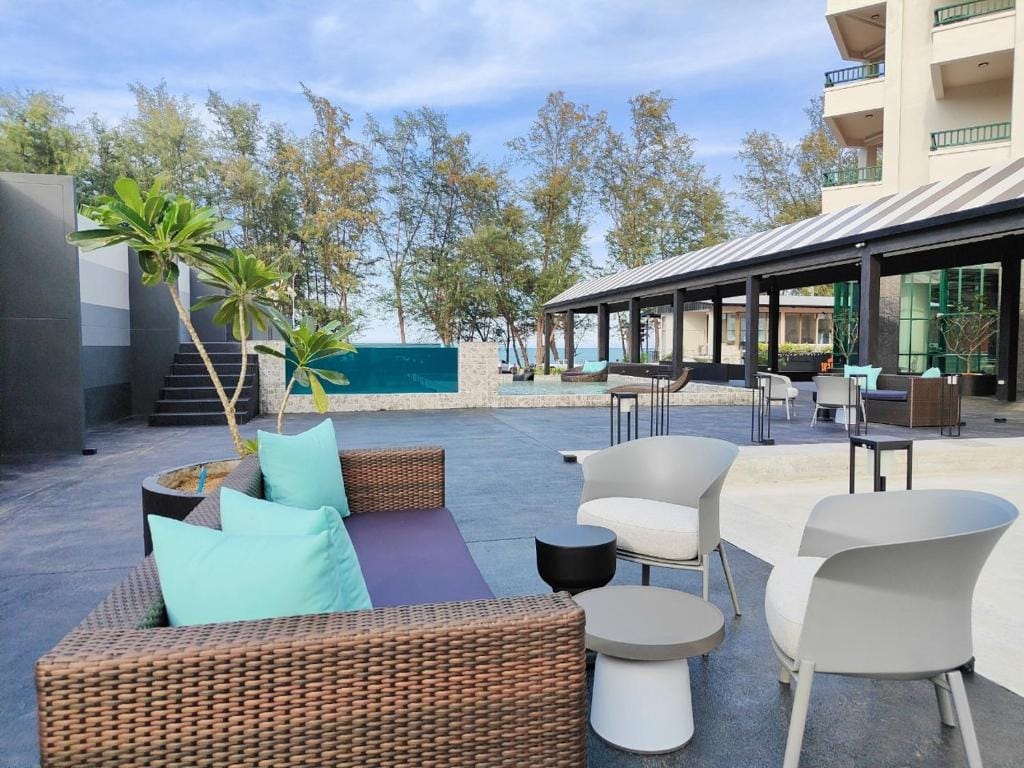
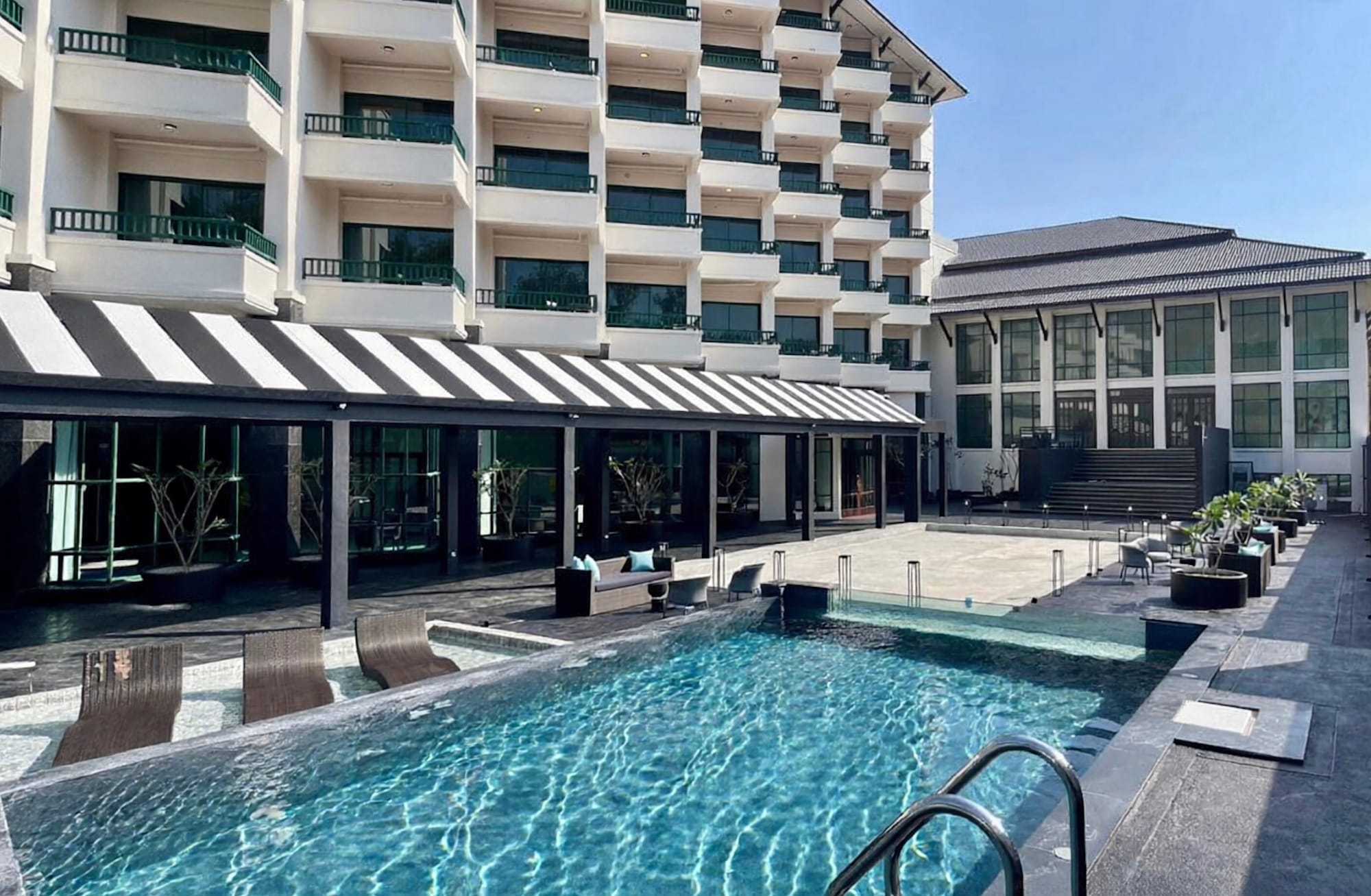
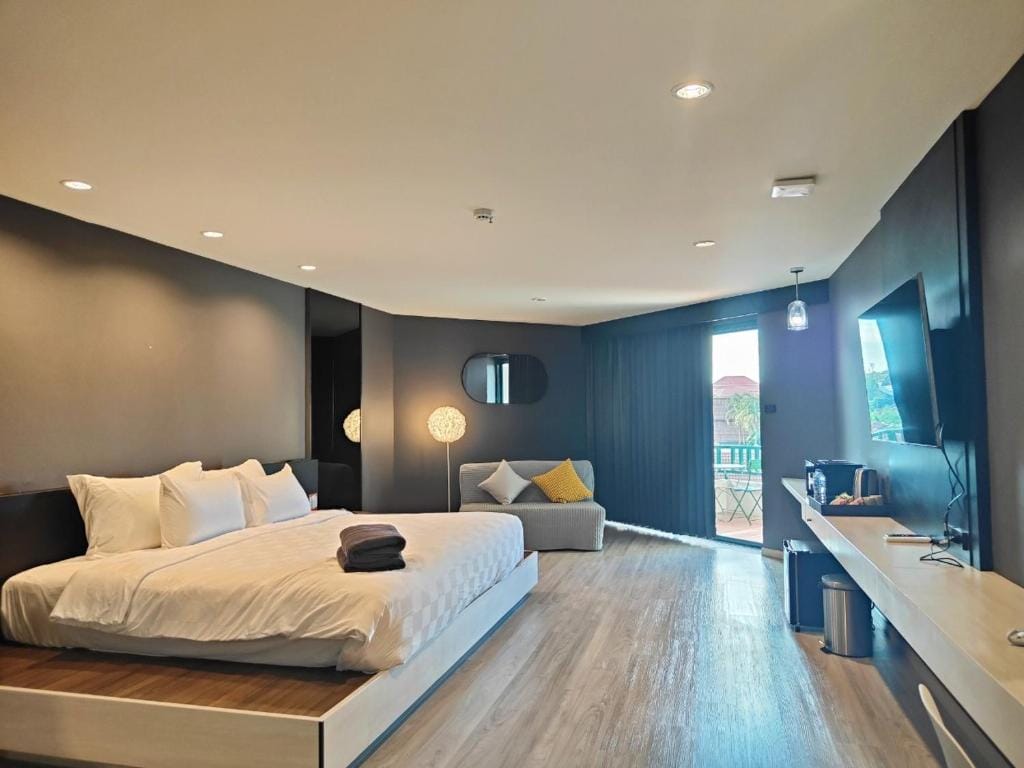
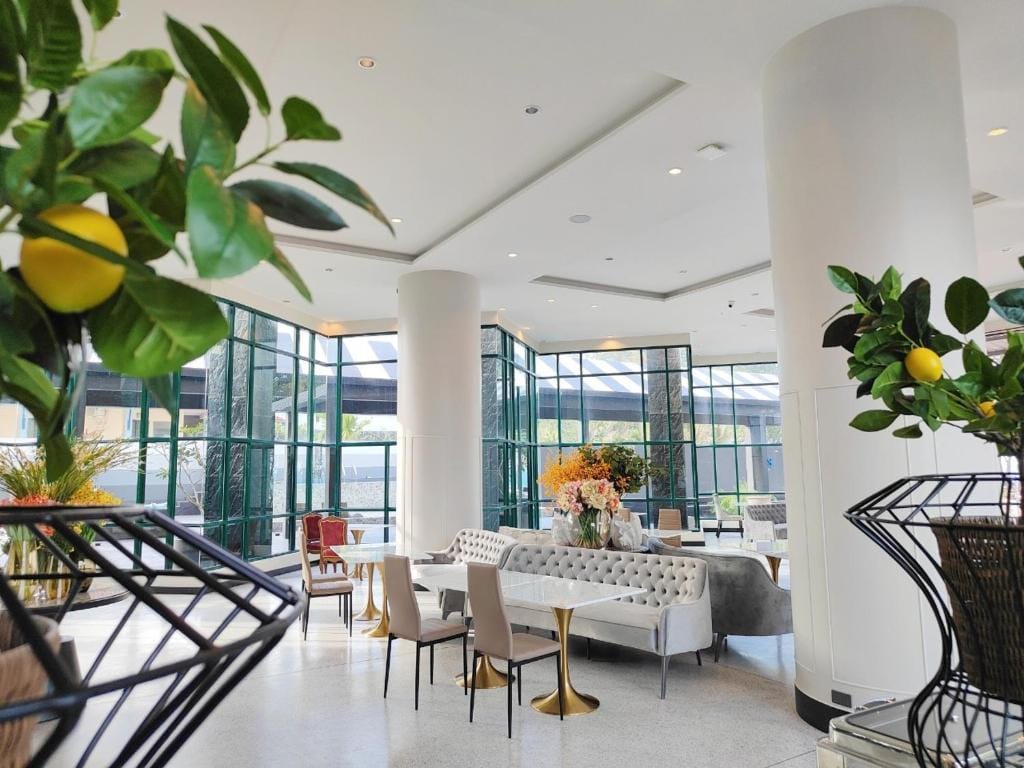
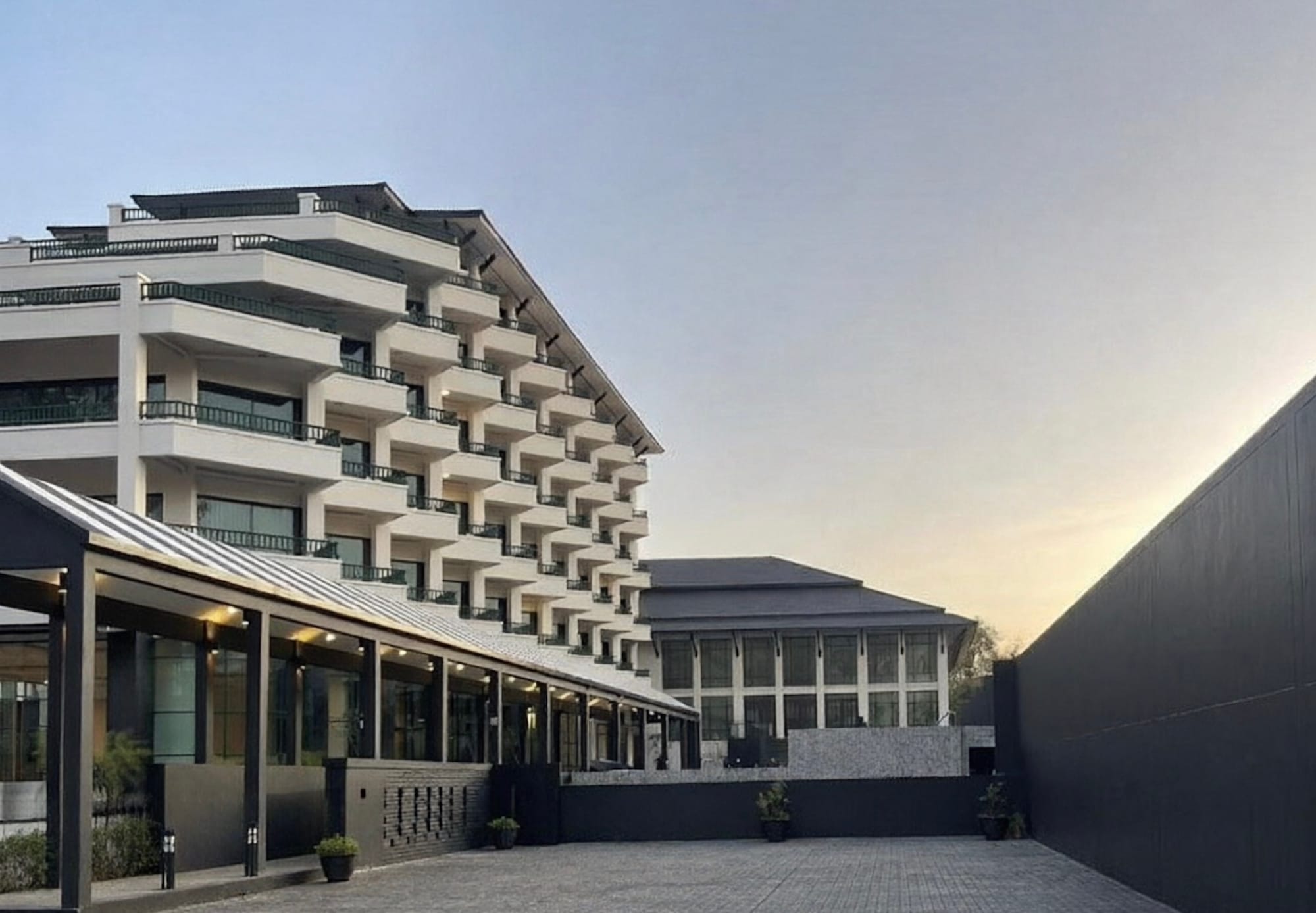
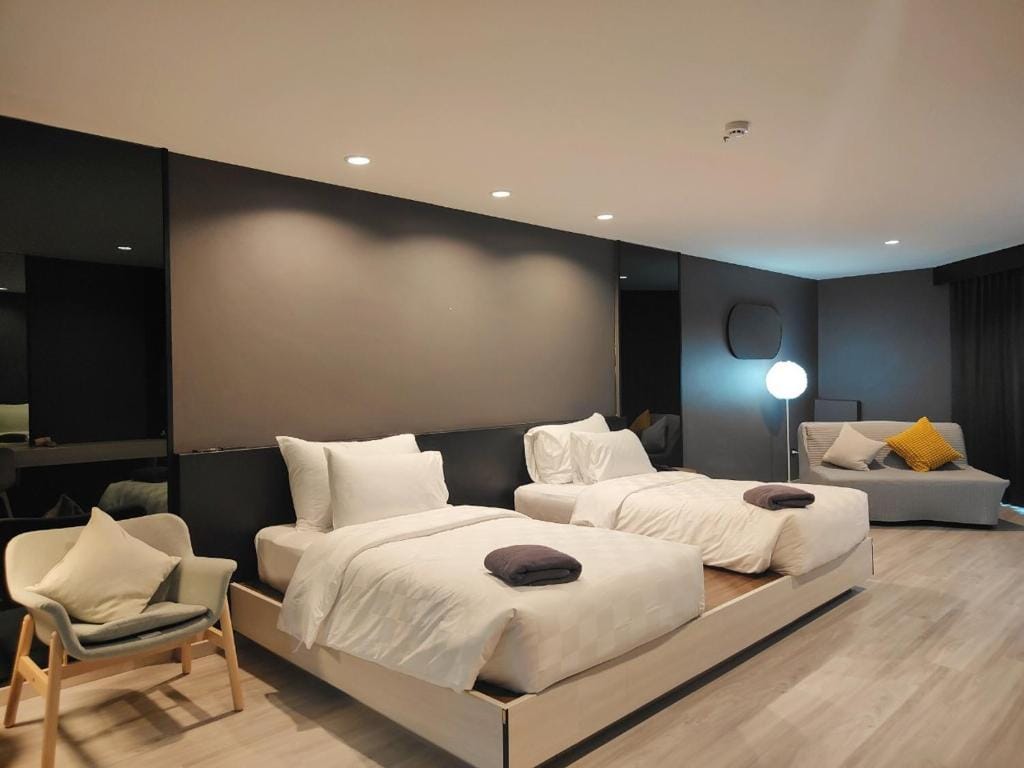
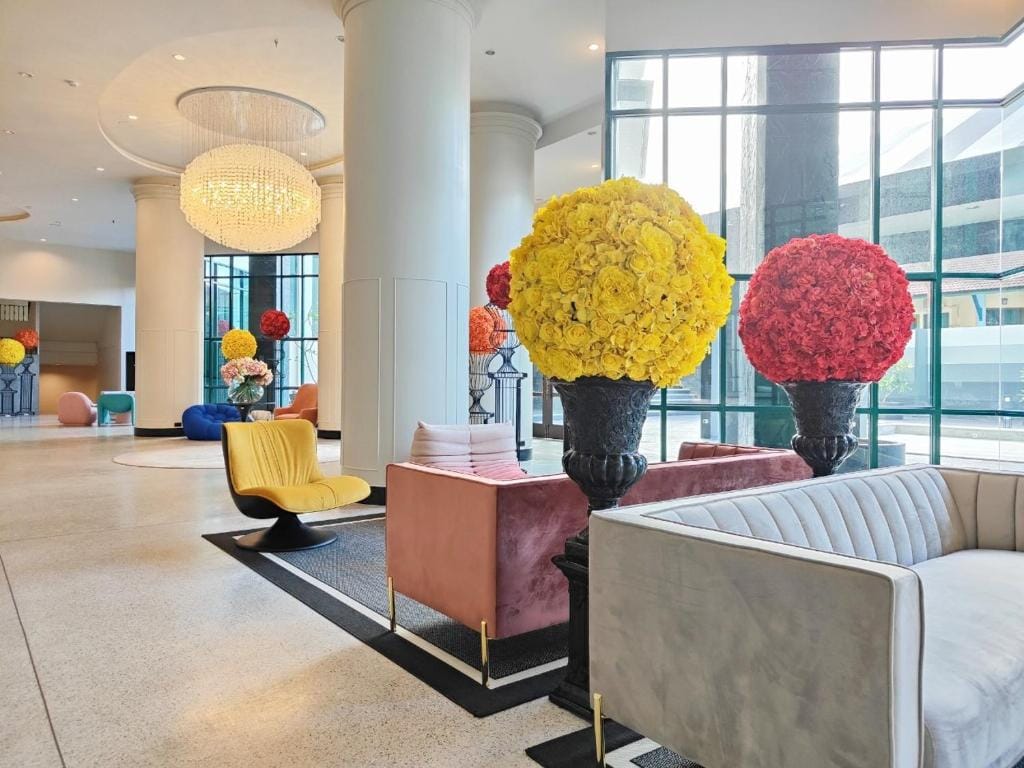
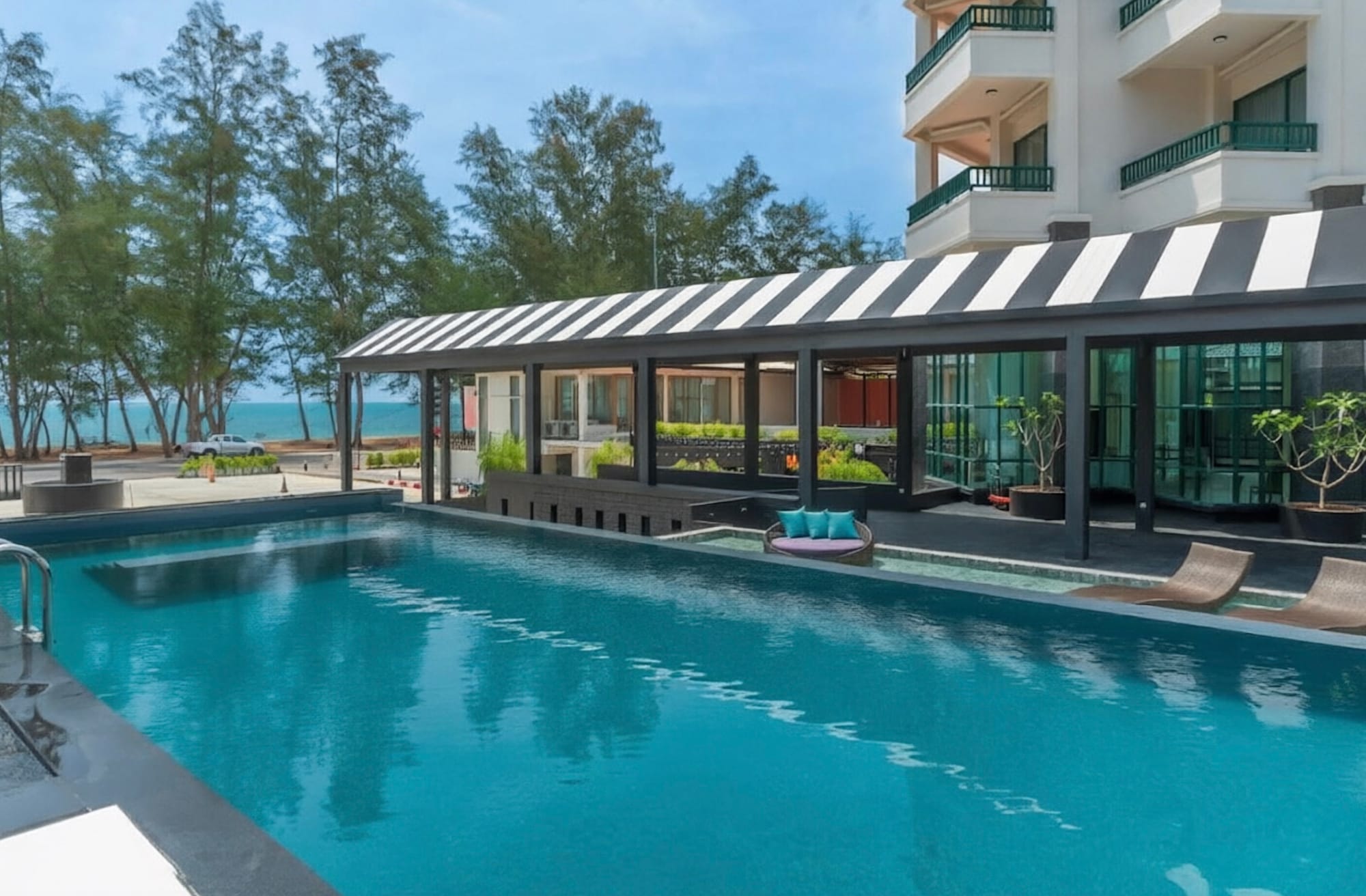
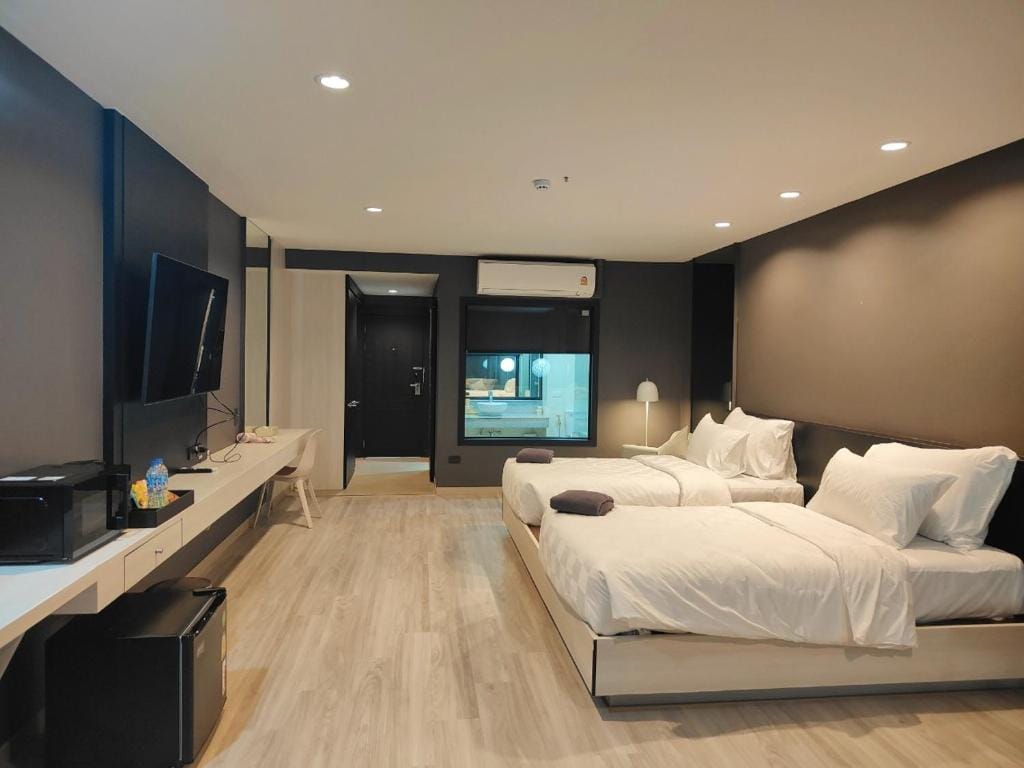
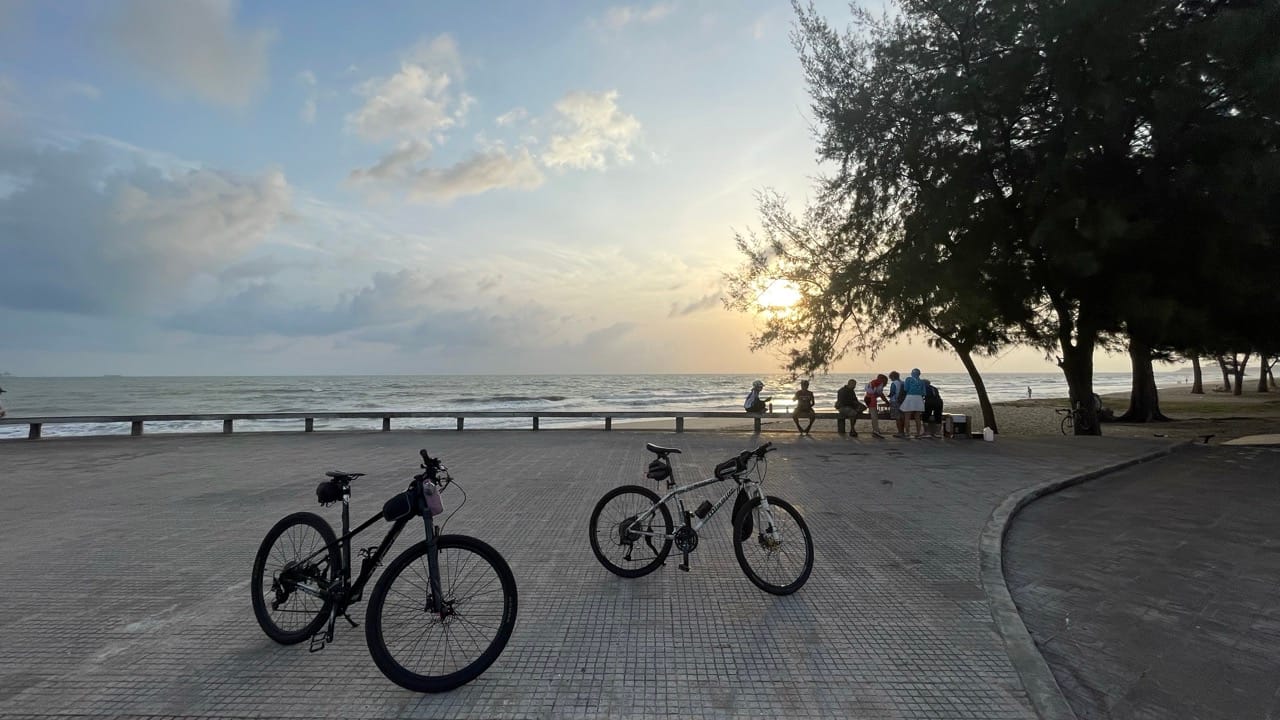
Within the vicinity of the hotel, you can observe life and livelihood in this local beachside town that is hardly known by foreign tourists. The beach—as of 2026—is still where locals come daily as easily as crossing the street.
The hotel has direct access to the beach's long pedestrian pathway—where you can walk north or south along the length of the windy coast—with a road that separates the sea and the different local entities along it, such as a university, a stadium, and even their city park, in close proximity or adjacent to each other.
It's no surprise that this is one of the healthiest spots in all of Thailand!
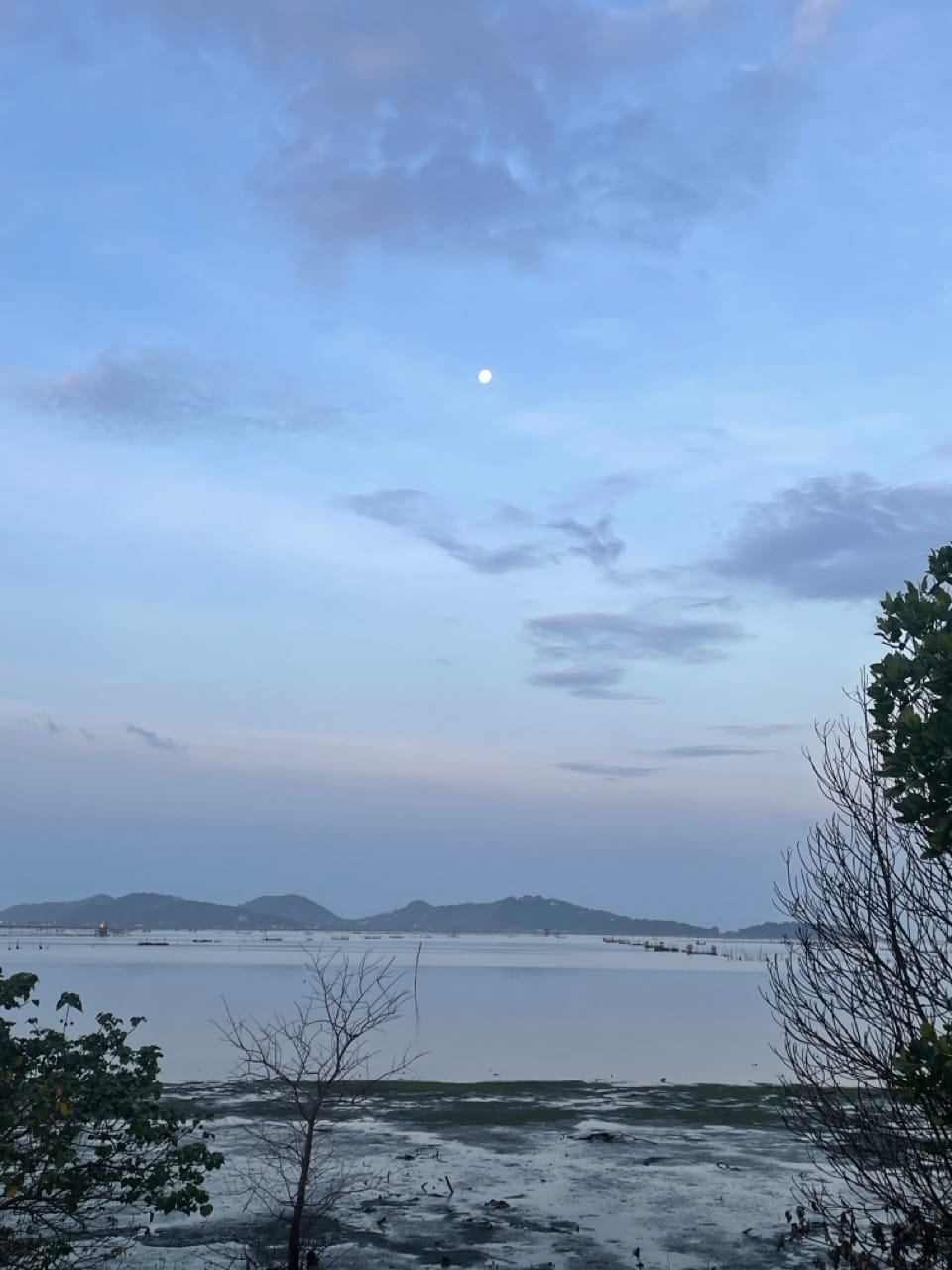
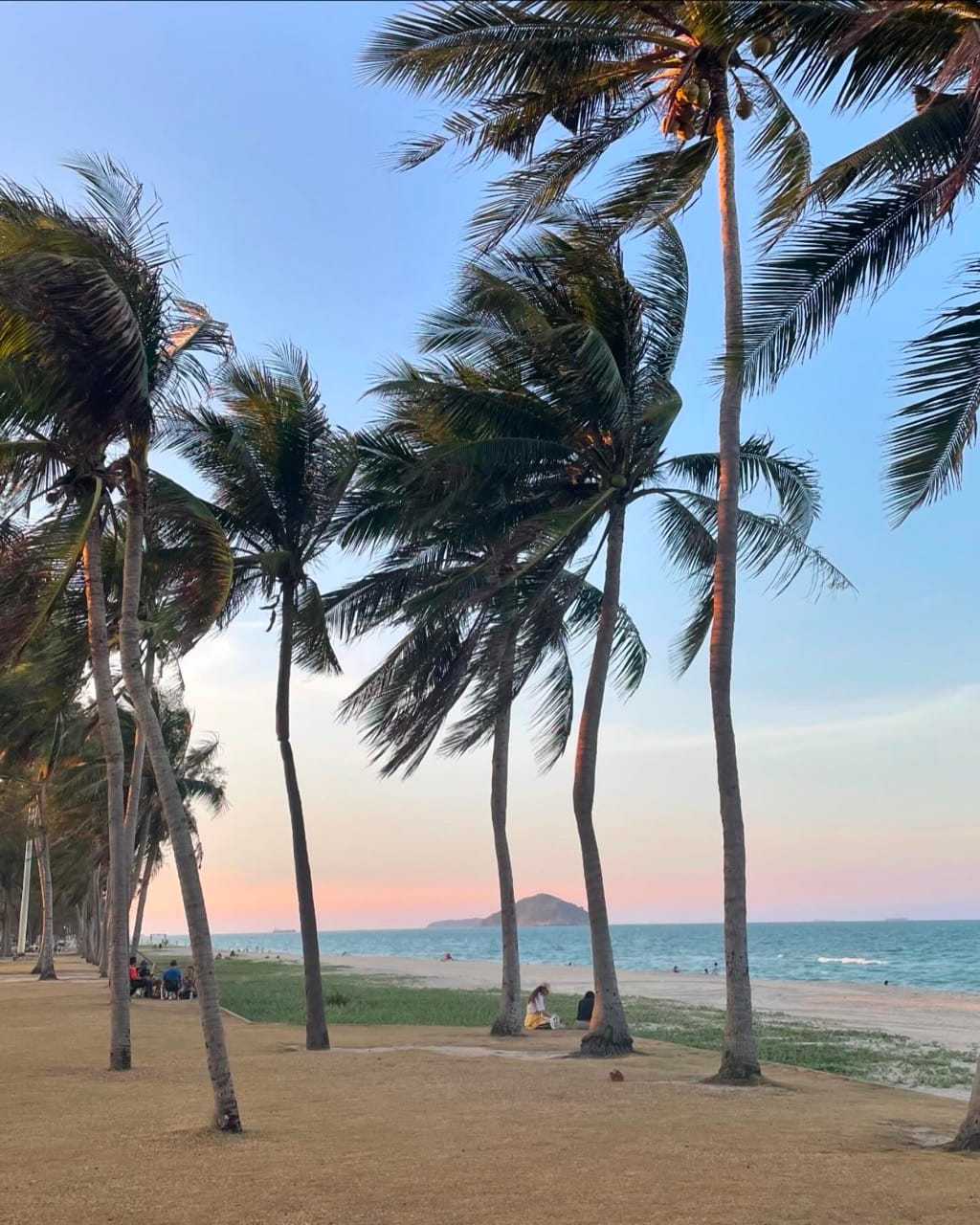
moonlit morning (at lake) and sunset evening (at beach)
Host•Guide & Guest•Guide
Location and Practice experience, combined.
Your Host•Guide
Your local Host•Guide is a Singapore-native who relocated twice—once over three decades ago to the States—then, again, this past decade—within the ASEAN region.
He has lived in different locations in ASEAN across this past decade, observed reality on the ground, and seen the beneficial advantage from developing futureproof capabilities and capacity in relevant location-based activities during this historical time of multifaceted global change.
He believes APEC and ASEAN represent the realities of a future where you are better positioned when knowing the access that you have beyond your nation's limits; and by willing to explore—even if regionally—beyond familiar surroundings, you update your knowledge and understanding of what is already outdated in your thinking about your neighbours from years of remaining in the same location.
He also believes that the interconnected access within ASEAN countries and APEC network of economies—makes the reality of futureproof living and retiring across seasonal locations in—and beyond—Southeast Asia a valuable possibility, and perhaps even necessity—for the future.
Your Guest•Guide
Your creative Guest-Guide was trained at LASALLE College of the Arts after several years of self-taught practice. Originally from Singapore, but now Chiang Mai-based, her conviction is that midlife is second wind for creative work and personal renewal—that art and creativity matter more than people realise, and also easier to begin than people realise.
For this trip, she will primarily be guiding in watercolour—the medium that perfectly balances trust and intention, flow and focus—so, if you have ever been interested or already practicing in watercolour, you are in for a treat.
She'll demonstrate technique, circulate during work, offer feedback that pushes without crushing, and model the kind of creative practice that fits into actual lives.
Focus: mostly Landscapes, some still-Life and architecture.
Learning Focus: decision-making, accepting imperfection, adapting and transmuting "mistakes" in the process. How Art practice benefits Life.
What We Include,
What We Exclude.
Purposeful Planning, for maximum benefit.
Included:
- The signature Day1 "Art of Rediscovery" experience, for this specific location. Specifically-curated edition that progressively immerses you—heritage, culture, nature, food, connection—to spark personal and creative renewal, and develop the futureproof capability of adaptation.
- All materials, watercolor supplies, field guides.
- Complete facilitation-guidance for the entire duration of the trip.
- Full beachfront-accommodation across all nights.
- Ground transportation across all days—places and activities.
- Every local logistical that allows you to focus on capacity-building rather than coordination.
Excluded:
Flights. You know your carriers, routing, timing constraints—so we leave booking control to you. Some may want to extend stay, others may want to arrive early—we are happy to advise on these matters—and even coordinate for airport arrival pick-up and departure drop-off—to ensure a smooth and seamless experience.
Meals. Pre-packaged group meals remove personal choice, ignore individual dietary preferences/requirements and allergic considerations, while also depriving the immersion that comes from knowing local food costs, selecting own specific dishes, and discovering own delights—hence, we have a better approach.
- You will receive the official "Day1 Guide • Southern Thai Cuisine" beforehand—specially created for our signature events and experiences in Southern Thailand—so you are properly equipped to enjoy the experience of personal choice and discovery.
- We bring you to restaurants—often family-run, multi-generational, locally frequented. These places have range: mild to intensely spicy, familiar to challenging. Not tourist-adapted. Not churning out the same group-batched dishes and usual planned pre-portioned quantities.
- The shared experience of ordering on our own contributes to collective understanding and perspective of varying dishes, tastes, and local costs.
We each order what suits us. We eat together. We each pay for our order.
Yet, we discover collectively.
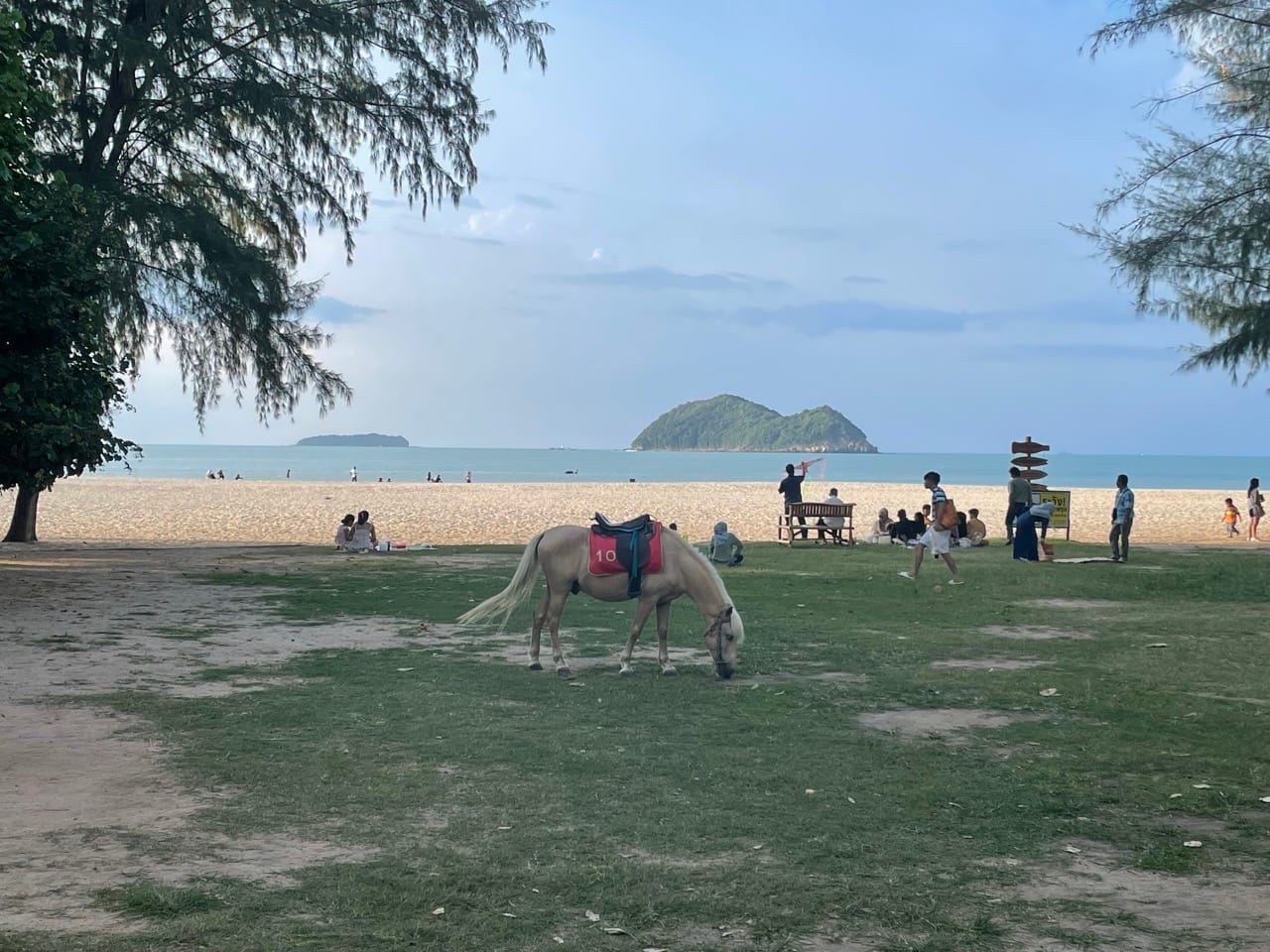
just a typical day here
The Art of Rediscovery: Songkhla Edition brings together what rarely coexists in travel experiences—creative practice that deepens your experience to pay more attention and see more clearly—landscapes and heritage with understanding, connection, and appreciation—with guidance from someone who intimately knows the location.
This isn't a tour; it's designed for personal renewal and rediscovery—with six days spent creatively engaging cultural identity and historical architecture that has withstood decades or even centuries, walking trails that tell the story of the geography and ethnicities that birthed this present natural port, eating uniquely regional food, and understanding a place most travelers bypass but shouldn't.
Reserve your place with a $100 deposit for a direct one-time use to confirm your spot within upcoming trips to Songkhla, and get immediate access. Click here.
- Upon payment, you'll immediately receive two comprehensive participant guides created exclusively for the "Art of Rediscovery: Songkhla Edition" experience:
the official Day1 Guide to Southern Thai Cuisine and the official Day1 Guide to Songkhla. - These aren't generic travel PDFs; they're foundational resources covering cultural context, observable details, navigation strategies, and why this place matters beyond its current obscurity. Your deposit secures accommodation and transportation; the guides prepare you to arrive ready for deeper engagement.
Upon payment, you'll immediately receive two comprehensive participant guides created exclusively for the "Art of Rediscovery: Songkhla Edition" experience:
the official Day1 Guide to Southern Thai Cuisine and the official Day1 Guide to Songkhla.
These aren't generic travel PDFs; they're foundational resources covering cultural context, observable details, navigation strategies, and why this place matters beyond its current obscurity. Your deposit secures accommodation and transportation; the guides prepare you to arrive ready for deeper engagement.